


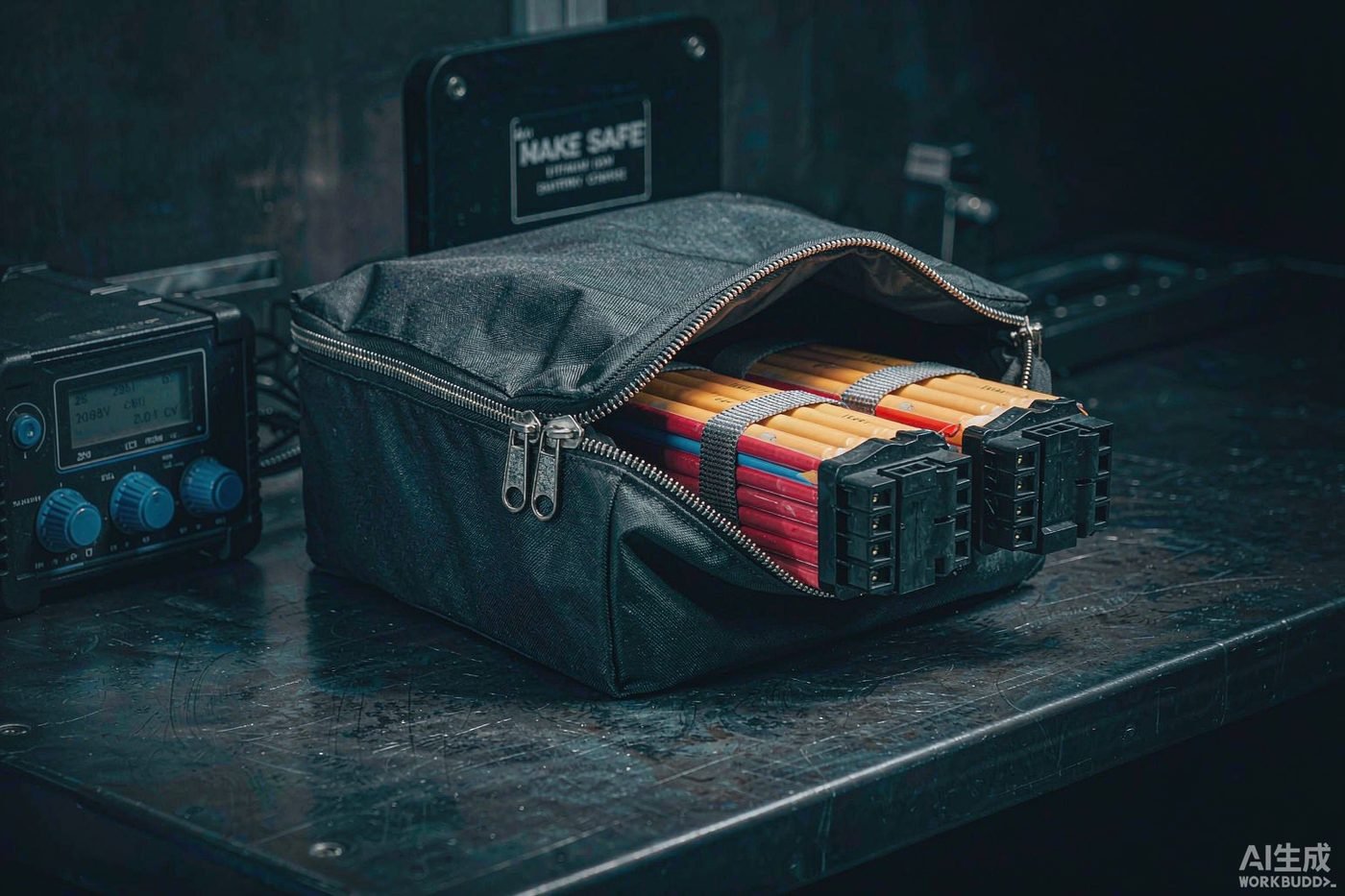

Almost every RC problem that presents as “the model is broken” turns out to be a battery problem. This guide explains how to read a LiPo label, what capacity and C-rating you actually need, and how to charge and store packs safely so they last for years rather than weeks.
How to read a LiPo label
Take 2200mAh 4S 14.8V 60C. Each number means something specific:
- 2200mAh (capacity) – how much energy it holds. Roughly, flight time scales with capacity, but so does weight.
- 4S (cell count) – four cells in series. Each LiPo cell is 3.7 V nominal, so 4S is 14.8 V nominal and 16.8 V fully charged.
- 60C (discharge rate) – how fast it can safely deliver current.
- Voltage – 3.7 V nominal per cell, 4.2 V fully charged, never below about 3.2 V under load.
Capacity: bigger is not automatically better
More capacity means longer flights, but also more weight – and weight is what sets your wing loading and your glide performance. The right approach is to work backwards from the model: fit the largest pack that keeps the model at the CG the manufacturer recommends, then stop.
As a rough guide for sport models: 1300-1800mAh for a 2 m sailplane, 2200mAh for a 1.1-1.4 m sport plane, 1300mAh for a 5-inch FPV quad, and 4000-5000mAh for a 70mm EDF jet.
C-rating: what the number means
Multiply capacity in amp-hours by the C-rating to get the safe continuous current:
2.2 Ah × 60C = 132 A
Compare that with what your ESC will actually pull. A 45A ESC on a 1100 mm sport plane will never ask for 132 A, which means the pack has generous headroom – and that is exactly what you want, because higher C-ratings also mean lower internal resistance and less voltage sag. A pack with headroom feels punchier and runs cooler than a marginal one, even when both work.
Cheap packs exaggerate their C-rating. If a pack arrives hot or puffs after a normal flight, the label was optimistic.
Charging safely
This is the part that matters, and it is not complicated:
- Always balance charge. Use the balance lead, not just the main connector, so the charger can even out individual cells.
- Charge at 1C unless you have a reason not to. For a 2200mAh pack that is 2.2 A. Most modern packs accept 2-5C, but slow charging extends cycle life.
- Charge on a non-combustible surface – a ceramic tile, a concrete floor, or inside a fire-safe LiPo bag.
- Never leave a charging pack unattended and never charge overnight while you sleep.
- Never charge a puffed, punctured or damaged pack. Retire it – see disposal below.
- Let a hot pack cool before recharging. Charging above about 40 °C damages cells.
The SkyPeak ChargeHub D6 does most of this for you: it balance charges up to 6S, measures per-cell internal resistance so you can spot a failing pack before it fails, and has a storage mode that brings packs to the correct resting voltage automatically.
Storage: the habit that doubles battery life
A LiPo left fully charged degrades quickly. A LiPo left flat destroys itself. The correct storage voltage is roughly 3.85 V per cell – about 50-60% charge.
- Flying within a day or two? Storage charge is still the better habit.
- Putting the model away for the season? Storage charge, then check the voltage every couple of months.
- Store in a cool, dry place, away from direct sunlight, ideally in a fire-safe container.
Signs a pack is finished
- Visible puffing or swelling – retire it immediately.
- One cell that will not balance, or that drops much faster than the others under load.
- Internal resistance that has climbed noticeably (your charger can measure this).
- Physical damage to the cells, leads or connector.
To retire a pack: discharge it fully, then take it to a household battery or e-waste recycling point. Do not put a LiPo in general waste, and never puncture one on purpose.
Matching the pack to the model
A quick reference for the models we sell:
| Cadet 1400 trainer | 3S 2200mAh 40C+ |
| Vector 1100 sport | 4S 2200-2600mAh 50C+ |
| Storm 70mm EDF jet | 6S 4000-5000mAh 50C+ |
| Glide 2.0 m sailplane | 3S 1300-1800mAh 30C+ |
| Vortex X5 FPV quad | 6S 1300mAh 100C+ |
| Ranger 1/10 buggy | 2S or 3S hard case 50C+ |
Quick safety summary
- Charge on a hard, non-flammable surface, inside a LiPo bag, and never unattended.
- Never discharge below 3.2 V per cell – set your ESC’s low-voltage cutoff.
- Store at about 3.85 V per cell.
- Retire anything puffed, punctured or out of balance.
- Keep a Class D fire extinguisher or a bucket of sand nearby if you charge indoors.
More help
Our FAQ covers the battery questions we get most often, and if you are unsure which pack fits your model, send us the model name and your flying style and we will size it for you.