


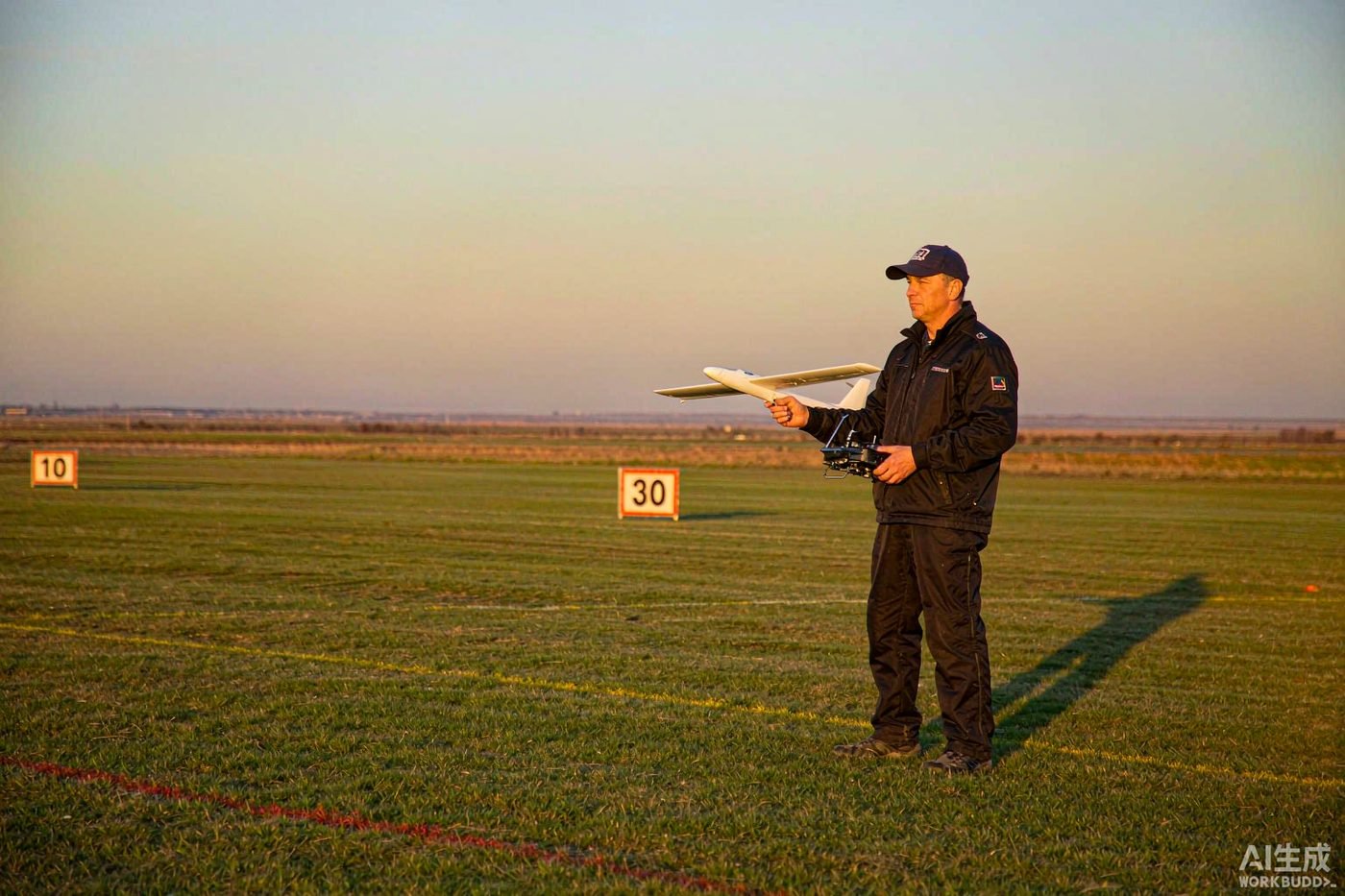

Buying your first RC plane is where most people either fall in love with the hobby or quietly give up. The difference is rarely the pilot – it is almost always the aircraft. This guide covers what actually matters in a beginner RC airplane, and the three models we recommend depending on how much you want to spend.
What makes an RC plane beginner-friendly
Marketing copy will tell you a model is “great for beginners” because it is small and cheap. Both of those are usually the opposite of what you want. Here is what actually matters.
Wing loading
Wing loading is flying weight divided by wing area, and it is the single best predictor of how easy a model is to fly. Low wing loading means slow stall speed, gentle handling and time to think. High wing loading means the model has to keep moving and will snap if you get slow and clumsy on the elevator.
A foam trainer around 1.4 m span at roughly 1.1 kg sits at a wing loading that lets you fly at walking pace. A scale warbird of the same weight with half the wing area does not.
Stabilisation
A gyro with self-levelling is not cheating – it is the reason so many people now solo on their first day. Good systems give you a switch with several modes: heavy assistance and bank-angle limiting for the first flights, less assistance as your thumbs catch up, and eventually a fully manual mode. Buy a model that has all three, or you will outgrow it in a month.
Power system
Brushless and a decent C-rating on the battery. Brushless motors are more efficient, more powerful and effectively maintenance-free compared with brushed units. A 3S setup on a 1.4 m trainer is the sweet spot: enough power to climb out of trouble, not so much that the model is a handful.
Durability and spares
You will crash. Everyone crashes. EPO foam is flexible and repairs with foam-safe CA in about twenty minutes, and you want a model where the spare cowl, prop and wing set are actually in stock. Ask about spares before you buy, not after.
What to avoid on a first plane
- Low-wing or scale warbirds – they stall sharply and land hot.
- EDF jets – fast, heavy, unforgiving. Fly one later.
- Tail-draggers with small wheels – ground handling is a skill of its own.
- Anything sold without spares – a crash becomes a write-off.
- Micro models under about 800 mm – twitchy, wind-sensitive, and they get away from you fast.
Our three recommendations
Best overall: SkyPeak Cadet 1400 RTF
The Cadet 1400 RTF is the answer we give to almost everyone. 1400 mm of high-wing foam, a 3S brushless power system, and a three-mode stabiliser that starts out almost flying itself. It arrives with the transmitter, battery and charger, so the only thing standing between you and your first flight is charging a pack and reading the manual.
What we like most is that the radio and the airframe both have room to grow. Drop the assistance to intermediate by your third session and you are already flying a genuinely capable sport model.
Best second plane: SkyPeak Vector 1100 PNP
Once you can take off, fly a circuit and land without help, the Vector 1100 is the natural next step. A symmetric low-wing airfoil means it flies inverted as well as upright, flaps let you slow it down for a small field, and it is plug-and-play so you reuse the receiver and transmitter you already own.
Best for quiet flying: SkyPeak Glide 2.0 m Sailplane
If you have a slope or a big field and prefer your flying slow and long, the Glide 2.0 is a different kind of rewarding. Twenty seconds of motor, then the prop folds and you are gliding for half an hour on a single small pack. It is also a surprisingly gentle model to learn on because everything happens slowly.
The rest of the budget
Do not spend your entire budget on the aircraft. You also need:
- At least two or three flight batteries – flight time is 8-11 minutes per pack, and you will want more than one flight per trip. The Aero Pro 2200mAh 4S is our default for 1100-1400 mm models.
- A proper balance charger – the ChargeHub D6 handles every pack you will own for years and has a storage mode that genuinely extends battery life.
- Spare props – buy three. You will use all three.
- Foam-safe CA, a prop balancer and a battery voltage checker.
A first-flight checklist
- Charge the flight battery and check the voltage with a cell checker before you leave the house.
- Check the CG against the manual – a model that is tail-heavy is unpleasant on its first flight and dangerous on its second.
- Confirm every control surface moves the correct way, and set low rates for the first flights.
- Do a range check with the motor off.
- Fly into the wind, keep two mistakes of altitude, and do not turn downwind low and slow.
- Land with a little power on, and do not try to save a bad approach – go around.
Next steps
Read the transmitter setup guide before your first session, and the LiPo battery guide before your first charge. If you are still not sure which model fits your field, your budget and your experience, ask us – we will recommend one, not a wishlist.

Switched over from another bookmaker recently and the difference in service quality is night and day. Live streaming options work flawlessly and the odds comparison tool saves me so much time before I place a bet. The mobile version is just as reliable as the desktop site which is a huge plus for me. mmmelbet