


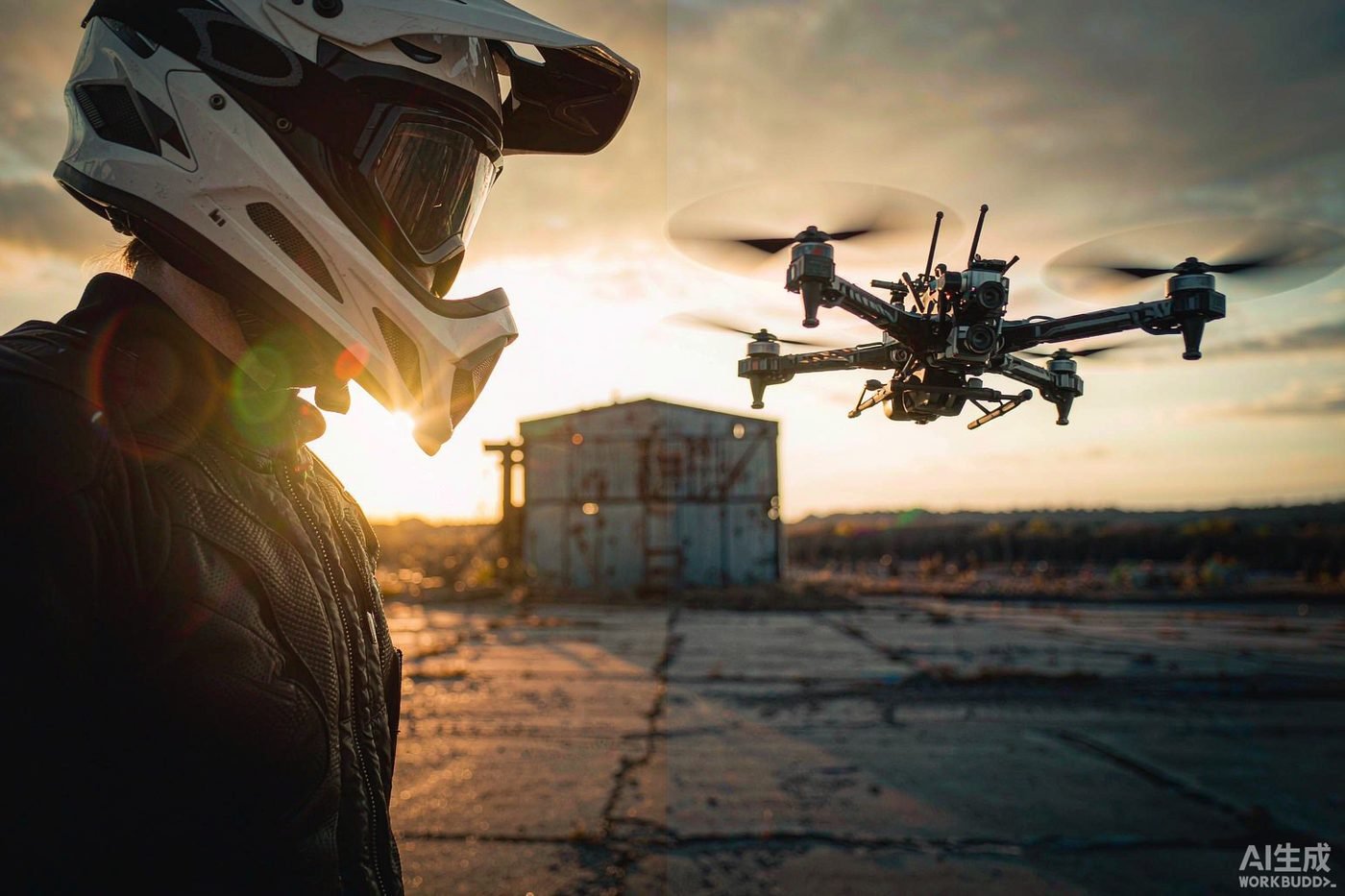

FPV – first-person view – is the branch of the hobby where you fly from inside the cockpit via a camera and a pair of goggles. It is the most absorbing version of RC flying and the steepest to get into. This guide covers the decisions that matter: video system, frame size, batteries, and the kit you will actually need.
The three things you need
An FPV setup is always three separate items that have to agree with each other:
- The aircraft – with a camera and a video transmitter (VTX) on board.
- The goggles – receiving that video feed.
- The radio – your transmitter flying the aircraft, which is a completely separate radio link from the video.
The critical compatibility rule: your goggles and your VTX must use the same video system. Your transmitter and receiver are a separate decision.
Analog vs digital: the big decision
This is the first and most argued-about choice in FPV.
Analog
- Pros: cheap, simple, tiny latency, universally compatible, easy to repair, no resolution to lock.
- Cons: the image is genuinely poor by modern standards – soft, noisy, and it breaks up badly behind trees or around corners.
Digital
- Pros: a clean 720p/1080p image, far better penetration through obstacles, on-screen OSD data, and built-in DVR recording. It makes you a better pilot faster, because you can see the gap you are aiming at.
- Cons: more expensive, marginally higher latency, and the components are harder to mix between brands.
Our recommendation: if you can afford it, go digital. The single biggest improvement you can make to your flying is being able to see clearly, and every pilot who switches says the same thing. Start digital and you will not pay twice.
Choosing a frame size
Frame size is the propeller diameter, and it determines where and how you can fly.
| Size | Where it flies | Character |
| 3 inch and under (sub-250 g) | Backyard, park, indoors | Quiet, tough, legal almost anywhere. The best way to get stick time. |
| 5 inch | Open fields, parks, race courses | The default. Enough power for freestyle and racing; the best all-rounder. |
| 7 inch and above | Long range, cinematic | Efficient, smooth, and carries a bigger battery for serious distance. |
Batteries and chargers
Flight time is 4-7 minutes per pack, which means you need several. Count on at least four packs for a proper session, and a charger that can parallel or fast-charge them. A 5-inch quad on 6S wants a 1300mAh pack rated 100C or more – voltage sag is the enemy of a clean punch-out.
The ChargeHub D6 will charge everything from a 1S tiny-whoop pack to a 6S 5000mAh jet pack, which means one charger for the whole fleet.
Three setups we recommend
1. Learning on a budget – Vortex R3 micro
The Vortex R3 is a 3-inch ducted quad that weighs 175 g with the battery in. That keeps it under the 250 g registration threshold in most countries, and the ducts mean it bounces off walls and furniture instead of exploding.
More importantly, it lets you fly in a backyard or a car park on a weeknight. Stick time is what makes you good at FPV, and the R3 is the cheapest way to get a lot of it.
2. The all-rounder – Vortex X5 and SkyView HD goggles
The Vortex X5 paired with the SkyView HD goggles is the setup most pilots should aim for. A 5-inch carbon frame on 2207/1750KV motors, digital HD video, and everything tuned before it ships – motor direction, filters, rates and failsafe are all done.
You bind your radio, plug in a pack, and fly. When you crash, you replace a 9 dollar arm rather than the whole frame.
3. Getting started properly – simulator first
Before you buy anything, spend ten hours on a simulator with your transmitter plugged in via USB. It is free, it is the fastest way to build the muscle memory for angle mode and acro mode, and it will save you several hundred dollars in broken props and arms.
What you will also need
- A battery voltage checker and a fire-safe charging bag.
- Spare propellers – lots of them. Props are the consumable of FPV.
- A battery strap and a few spare antennas.
- A small field kit: hex drivers, a prop tool, zip ties and electrical tape.
Legal and safety basics
Rules vary by country, but the principles are consistent: register your aircraft if it exceeds the local weight threshold, keep visual line of sight or fly with a spotter, stay well away from airports and manned aircraft, respect no-fly zones, and never fly over people or crowds. In the United States that means FAA registration and either the recreational exception or a Part 107 certificate depending on how you fly.
Where to start
Browse FPV drones and quads, or ask us which setup suits your space and budget – we will tell you honestly if a 5-inch is the wrong answer for your situation.
This platform is exactly what we need over here. The interface is clean and the promotions actually reach your balance fast. I have spent many fun evenings trying the new releases and the support team is always ready to help. Try it out at ganamex
I have been searching for a reliable gaming destination and finally landed here. The library is massive and keeps getting updated with fresh titles every week. Payouts are quick and I never had any issues with my account verification. Truly a community focused platform that treats players right. Start playing at injaihogame